

Address
7449 Las Colinas Blvd, Suite 100
Irving, TX 75063
Non-Surgical Treatment
Fat transfer can restore soft facial volume with your own tissue when a more structural approach than filler makes sense.
Jump to page sections
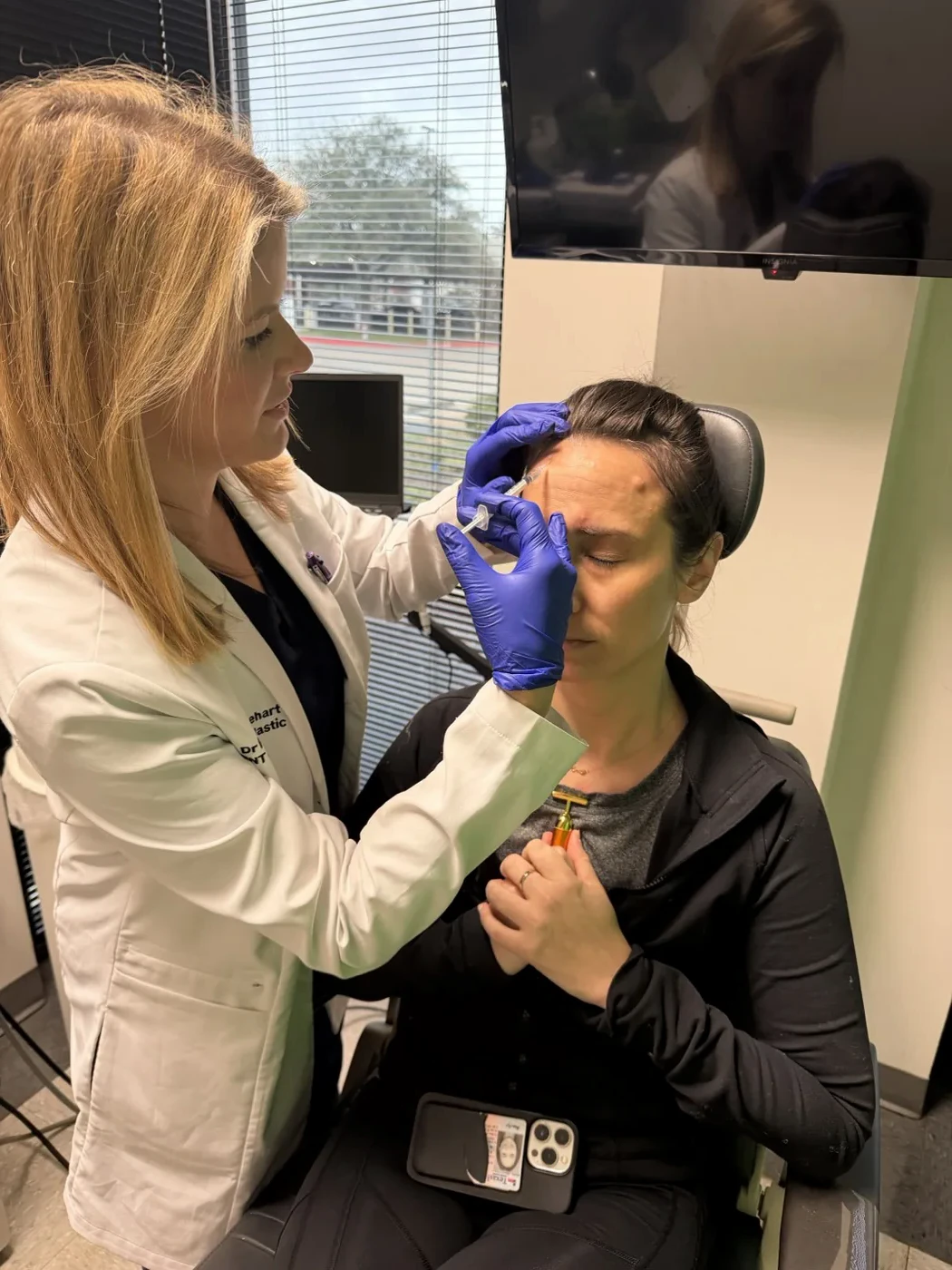
Subtle Rejuvenation
Explore Botox, fillers, and regenerative treatments for subtle rejuvenation that still looks like you.
Fat Transfer Overview
Choose the volume-restoration approach that fits your face, goals, and recovery preferences.
Fat transfer is often worth considering when volume loss, contour support, or longer-lasting facial softening are part of the goal.
The consultation compares fat transfer with filler and other options so the recommendation fits the patient’s goals, timing, and recovery preferences.
Treatment Fit
Fat transfer becomes the right conversation when the patient wants structural support and is comfortable with a more procedural volume-restoration path.
This conversation is usually strongest when the patient wants a softer, more structural volume-restoration plan and is open to more procedural planning than filler alone requires.
Recovery & Planning
The procedural nature of fat transfer makes consultation planning especially important.
Because fat transfer is more procedural than standard injectables, recovery planning includes both the treated facial areas and the donor-site logistics that come with the procedure. Social timing and expectations around gradual settling deserve direct discussion.
Patients also benefit from comparing whether the longer-term idea of fat transfer is truly preferable for them or whether a lighter, staged filler plan is more appropriate.
Address
7449 Las Colinas Blvd, Suite 100
Irving, TX 75063
Phone
972-432-8282
Call for consultations, scheduling help, and treatment questions.
Hours
Monday
8:30am-5:00pm
Tuesday-Thursday
7:30am-5:00pm
Friday
7:00am-2:00pm
Saturday-Sunday
Closed
Location
Irving, Texas
Serving Las Colinas, Irving, and the greater Dallas-Fort Worth area.
Office Details
Find the office, call directly, and plan your consultation with confidence before your visit.
Common Questions
These answers cover common questions about fit, healing, and what to expect next.
Fat transfer is often discussed when the goal is subtle facial volume restoration using the patient’s own tissue rather than a standard filler-only approach.
The consultation helps determine whether the amount and location of volume change make fat transfer worthwhile and whether the patient’s timing and recovery preferences fit the procedure.
Because it is a procedural treatment rather than a simple injection visit, planning usually includes donor-site questions, social downtime, and how the treatment fits a broader rejuvenation strategy.
Consultation
A private consultation is where goals, anatomy, timing, and realistic next steps come together.